« Return to all search results
Title Search Results
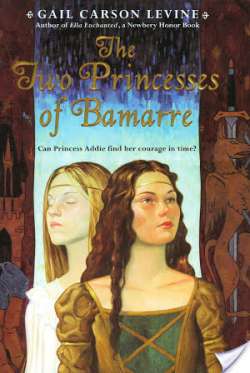
A kingdom beset by monsters . . . A disease that weakens and destroys . . . An epic poem and a hero of long ago . . . A story of danger and desperation. The two princesses of Bamarre couldn't be more different. Princess Addie is fearful and shy. Her deepest wish is for safety. Princess Meryl is bold and brave. Her deepest wish is to save the kingdom of Bamarre. They are sisters, and they mean the world to each other. Then disaster strikes, and Addie—terrified and unprepared—sets out on a perilous quest. In her path are monsters of Bamarre: ogres, specters, gryphons, and dragons. Addie must battle them, but time is running out, and the sisters' lives—and Barmarre's fate—hang in the balance. Gail Carson Levine left her mark on fantasy with her well-loved 1998 Newbery Honor Book Ella Enchanted. Now she has created another shimmering and tapestried landscape of fantasy and fairies. Bamarre and the journeys of its two princesses will burn themselves into the minds of readers, and all will relish this moving saga about two sisters groping their way toward heroism.
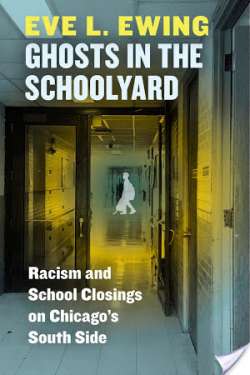
"Failing schools. Underprivileged schools. Just plain bad schools." That's how Eve L. Ewing opens Ghosts in the Schoolyard: describing Chicago Public Schools from the outside. The way politicians and pundits and parents of kids who attend other schools talk about them, with a mix of pity and contempt. But Ewing knows Chicago Public Schools from the inside: as a student, then a teacher, and now a scholar who studies them. And that perspective has shown her that public schools are not buildings full of failures--they're an integral part of their neighborhoods, at the heart of their communities, storehouses of history and memory that bring people together. Never was that role more apparent than in 2013 when Mayor Rahm Emanuel announced an unprecedented wave of school closings. Pitched simultaneously as a solution to a budget problem, a response to declining enrollments, and a chance to purge bad schools that were dragging down the whole system, the plan was met with a roar of protest from parents, students, and teachers. But if these schools were so bad, why did people care so much about keeping them open, to the point that some would even go on a hunger strike? Ewing's answer begins with a story of systemic racism, inequality, bad faith, and distrust that stretches deep into Chicago history. Rooting her exploration in the historic African American neighborhood of Bronzeville, Ewing reveals that this issue is about much more than just schools. Black communities see the closing of their schools--schools that are certainly less than perfect but that are theirs--as one more in a long line of racist policies. The fight to keep them open is yet another front in the ongoing struggle of black people in America to build successful lives and achieve true self-determination.
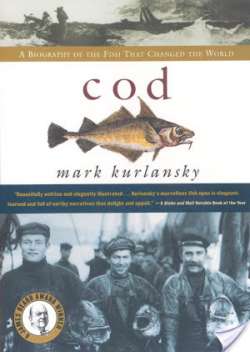
Wars have been fought over it, revolutions have been spurred by it, national diets have been based on it, economies have depended on it, and the settlement of North America was driven by it. Cod, it turns out, is the reason Europeans set sail across the Atlantic, and it is the only reason they could. What did the Vikings eat in icy Greenland and on the five expeditions to America recorded in the Icelandic sagas? Cod -- frozen and dried in the frosty air, then broken into pieces and eaten like hardtack. What was the staple of the medieval diet? Cod again, sold salted by the Basques, an enigmatic people with a mysterious, unlimited supply of cod. Cod is a charming tour of history with all its economic forces laid bare and a fish story embellished with great gastronomic detail. It is also a tragic tale of environmental failure, of depleted fishing stocks where once the cod's numbers were legendary. In this deceptively whimsical biography of a fish, Mark Kurlansky brings a thousand years of human civilization into captivating focus. From the Trade Paperback edition.
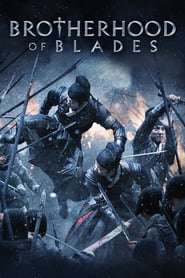
In the late Ming Dynasty, three close friends who serve as Jinyiwei guards are dispatched to hunt down Wei Zhongxian, a eunuch politician who had been forced to resign from his influential post and exiled from Beijing. The Jinyiwei brothers return successfully from their quest, only to find that their task was but the beginning of a strange conspiracy.
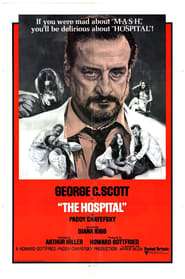
A suicidal doctor struggles to find meaning in his life while a murderer stalks the halls of his hospital.
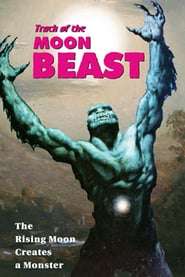
Professor "Johnny Longbow" Salina, a man who really knows his stews, introduces Paul Carlson to the practical-joking Kathy Nolan. Paul and Kathy seem to hit it off rather well but, during a meteor storm, a meteorite fragment strikes Paul, burying itself deep in his skull, which has the unpleasant side-effect of causing Paul to mutate into a giant reptilian monster at night and go on murderous rampages. It turns out that this sort of thing has happened before, when Professor Salina rediscovers ancient Native American paintings detailing a similar event many centuries ago. Kathy, however, still loves Paul, and tries to save him.
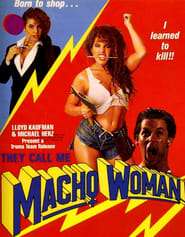
A young widow on a trip to the backwoods stumbles upon the operation of a gang of drug smugglers. They attempt to kill her in order to keep their operation a secret, but she turns out to be more resourceful than they thought, and starts to turn the tables on them.
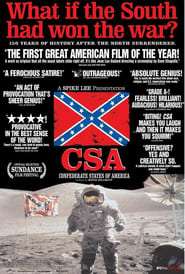
Through the eyes of a British "documentary", this film takes a satirically humorous, and sometimes frightening, look at the history of an America where the South won the Civil War.
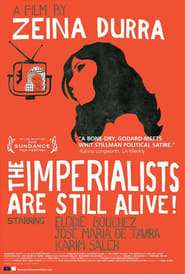
A young artist in Manhattan falls in love with a Mexican.
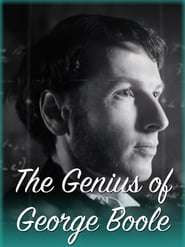
Narrated by Oscar-winning actor Jeremy Irons, The Genius of George Boole assembles academics and industry leaders from across the globe to explore the life and importance of one of the world's greatest unsung heroes.